
Printing and Modeling
3D Printing
From the digital model to the physical object.
In our lab, 3D printing is used for a wide variety of projects: design prototypes, customized items, technical components, and creative experiments.
There are filament printers and one resin printer. The quickest way to get started is the "HelloWorld 3D Printing" workshop: two hours of hands-on training, and by the end, you'll know how to reserve and use the printers on your own.
Filament or resin
These are two different ways of making an object: the materials, level of detail, and post-printing work vary.
Filament
How It Works
A hot nozzle melts the filament and deposits it layer by layer.
Details
Suitable for most parts, with the layers slightly visible.
Materials
Many types of filament, including multiple colors in a single print using multi-material printers.
After printing
Remove the supports where necessary: anything that juts out into empty space needs a support.
It is suitable for
Prototypes, functional parts, initial tests: the starting point for 3D printing.
Resin-based
How It Works
A light cures the liquid resin, layer by layer.
Details
Very smooth surfaces and fine details.
Materials
Liquid resins, which require more care when handling them.
After printing
The part must be washed and cured before use.
It is suitable for
Complex, high-definition models.
What You Can Print
Five things you can print in a lab, and the best printer to use for them.
Printer: Bambu Lab A1
A prototype, in several versions
You model the piece, cast it, hold it in your hand to test it, and make adjustments. Each version takes very little time, so you can make mistakes several times before getting it right.
Printer: filament-based
A box for your circuit
A custom-made enclosure for an Arduino board or a sensor, with holes and mounts exactly where you need them.
Printer: filament-based
An item you can't find in stores
A bracket, a gear, a replacement part: just model it on the computer and print it instead of looking for it.
Printer: Bambu Lab H2D
An object in multiple colors
With the multi-material system, you can print an object in multiple colors or materials in a single print, with automatic filament switching.
Printer: Formlabs Form 4
A model with all the details
Resin printing produces very smooth surfaces and fine details: complex models and prototypes for presentation.
Have you never printed anything before?
"HelloWorld 3D Printing from Scratch": After two hours, you'll be able to use the printers on your own.
Printers
Four printers—three filament-based and one resin-based—ranging from rapid prototyping to high-definition models.
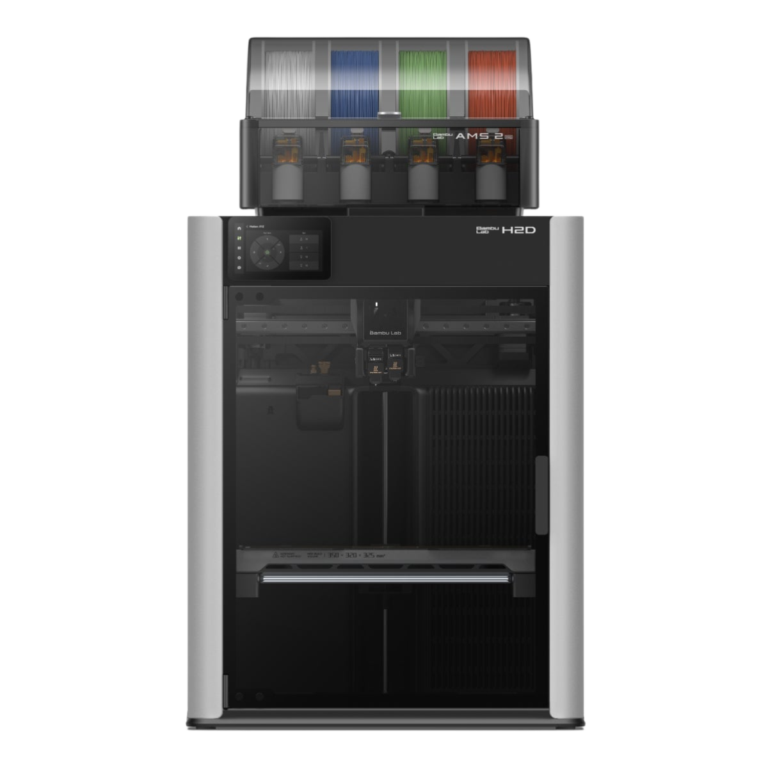
Bambu Lab H2D
Multi-material
High-performance 3D printer with a multi-material system, used for fast and complex prints with automatic filament changes.
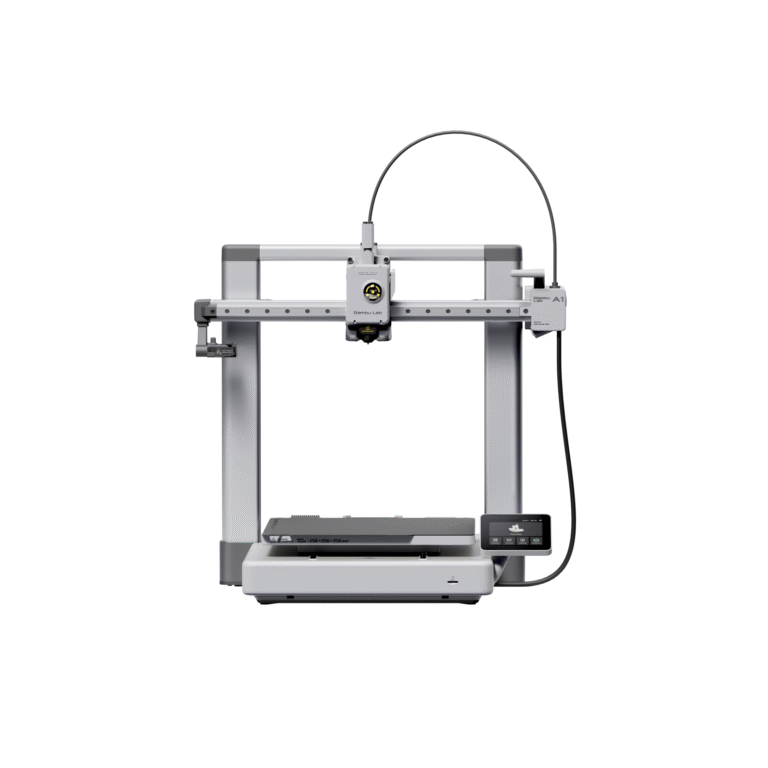
Bambu Lab A1
Rapid Prototyping
A precise and easy-to-use 3D printer, ideal for rapid prototyping and projects using standard materials.
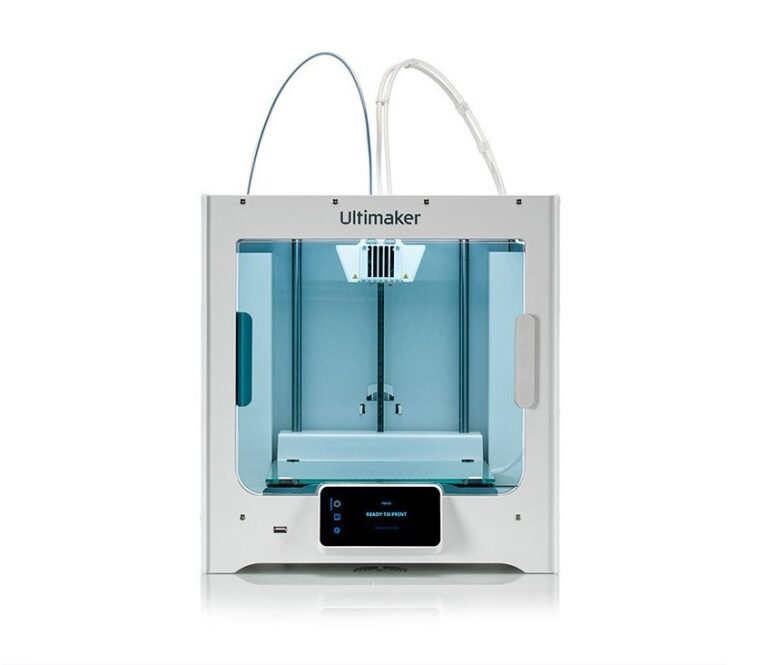
Ultimaker S3
Teaching and Introductory Courses
A reliable and easy-to-use 3D printer, primarily used for educational activities and introductory courses.
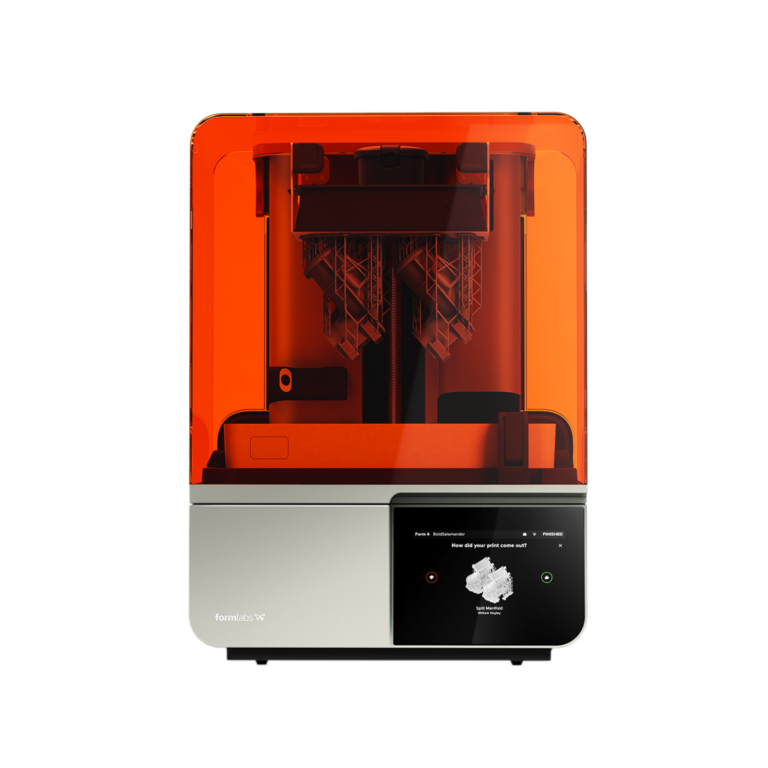
Formlabs Form 4
Resin, SLA
An SLA printer that uses liquid resin to produce very smooth surfaces and high levels of detail, suitable for complex, high-definition models.
How to Get Started
1
Become a Member
The membership fee is €60 and includes 25 Asperastra credits: that's enough for a HelloWorld.
2
Follow the HelloWorld 3D Print
A two-hour workshop, from file to print. By the end, you'll know how to reserve and use the printers on your own. For non-members, the cost is €30.
3
Reserve a printer
Bring your file and print it. Asperastra credits cover the cost of classes and machine usage.
Workshops and Activities
Throughout the year, the lab organizes workshops and courses on 3D design and printing.
The introductory courses provide an understanding of the basics of 3D modeling and the printing process, while the advanced workshops explore more specific applications and hands-on projects.
Would you like to use the printers?
Become a member and reserve equipment from the Lab.
Sign up for Asperastra